
The Psychology of Shelf Appeal
When consumers browse fragrance displays, their selection process begins with visual cues long before they consider scent notes or brand reputation. The shape, color, and materials of a perfume packaging box communicate subconscious messages about the product within—a sleek black package suggests sophistication, while soft pastels imply femininity and romance. This instant visual communication is crucial in crowded retail environments where decisions are often made in seconds. Research confirms that well-designed packaging can increase brand recognition by up to 80%, making it one of the most effective tools for standing out in a saturated market.
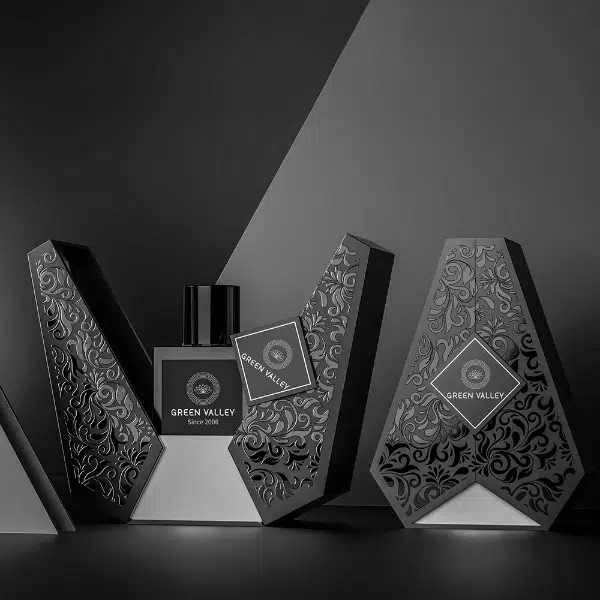
Tactile elements amplify this visual impact, creating multisensory experiences that forge stronger consumer connections. The weight of quality paperboard, the smooth glide of a magnetic closure, or the raised texture of an embossed logo all contribute to perceptions of luxury and craftsmanship. These physical interactions transform packaging from passive container to active participant in the brand experience, with studies showing that products featuring premium tactile elements enjoy 30% higher perceived value than their standard counterparts.
Beyond Protection to Personal Expression
Modern fragrance packaging has transcended its utilitarian roots to become a form of personal expression for consumers. The Perfume Bottle and its accompanying packaging often become display pieces in homes—carefully curated elements of interior decor that reflect the owner's taste and style. This phenomenon explains why 68% of consumers keep fragrance packaging long after the product is finished, according to recent market research. Brands that understand this emotional connection create packaging with enduring visual appeal, designing boxes and bottles meant to be shown rather than stored away.
The unboxing experience further enhances this personal connection, transforming a routine act into a memorable ritual. Luxury brands engineer their packaging to unfold in deliberate sequences—perhaps revealing first a satin ribbon, then a nested box, finally presenting the bottle like a precious jewel. These carefully choreographed moments create shareable experiences that extend brand reach through social media, where visually striking packaging generates organic promotion. The most successful designs balance theatrical presentation with functional simplicity, ensuring the experience feels special without becoming frustrating.
"72% of consumers agree that packaging design influences their purchasing decisions, with premium fragrance packaging capable of increasing perceived product value by up to 45%—making it one of the highest-return investments in brand marketing." – Nielsen & Ipsos Market Research
The Sustainability Imperative
Environmental consciousness has moved from niche concern to mainstream expectation in fragrance packaging. Today's consumers actively seek out brands that demonstrate ecological responsibility through their packaging choices, with 67% preferring products in sustainable packaging according to recent surveys. This shift has spurred innovation across the industry, from refillable systems that preserve beautiful outer designs while minimizing waste, to plant-based inks and biodegradable materials that maintain luxury aesthetics without environmental compromise.
The most successful sustainable solutions integrate eco-friendliness seamlessly into the luxury experience. For example, some brands now offer refill stations in high-end department stores, turning what was once a routine purchase into an elevated ritual. Others use seed paper inserts that can be planted after use, creating a lasting brand connection that literally grows over time. These approaches prove that sustainability and sophistication aren't mutually exclusive—when executed thoughtfully, they can enhance each other to create packaging that appeals to both conscience and desire.
| Packaging Innovation | Luxury Impact | Sustainability Benefit |
|---|---|---|
| Refillable Systems | Creates ongoing brand engagement | Reduces waste by 60-80% |
| Plant-Based Materials | Natural textures enhance premium feel | Biodegradable and renewable |
| Minimalist Designs | Focus on craftsmanship and purity | Uses 30-50% less material |
| Interactive Technology | Adds modern, personalized dimension | Reduces need for printed materials |
The Technical Artistry Behind the Beauty
Creating standout fragrance packaging requires a delicate balance of artistic vision and technical precision. Structural engineers work alongside designers to ensure that aesthetically striking concepts can be reliably produced at scale without compromising quality. This collaboration results in packaging that not only looks extraordinary but functions flawlessly—whether it's a precisely fitted insert that cradles an irregularly shaped bottle or a complex folding pattern that creates dramatic reveals upon opening.
Advanced manufacturing technologies have expanded possibilities in perfume packaging box production. Digital printing allows for photorealistic imagery and infinite color variations without minimum order constraints, while laser cutting creates intricate patterns with micron-level precision. These technologies enable smaller brands to compete with established luxury houses in packaging sophistication, democratizing access to what were once prohibitively expensive production techniques. The result is an industry-wide elevation of packaging standards that benefits all consumers.
The Future of Fragrance Packaging
As we look ahead, fragrance packaging continues evolving at the intersection of technology and tradition. Augmented reality elements are beginning to appear on premium packages, allowing consumers to access digital content by scanning their phone—perhaps revealing the fragrance's inspiration story or suggesting personalized scent combinations. Meanwhile, smart packaging with NFC chips enables authentication, replenishment reminders, and exclusive content, transforming static boxes into dynamic brand portals.
Material science innovations promise equally exciting developments, with researchers creating transparent wood composites that offer glass-like clarity with wood's sustainability, and algae-based bioplastics that decompose harmlessly. These advancements will allow brands to maintain (or enhance) the luxurious qualities consumers expect while dramatically reducing environmental impact. The fragrance packages of tomorrow will likely balance cutting-edge technology with timeless tactile pleasures, creating experiences that feel simultaneously futuristic and familiar.
The Emotional Economics of Packaging
The true value of exceptional fragrance packaging lies in its ability to forge emotional connections that translate to brand loyalty. When consumers form personal attachments to packaging—displaying it in their homes, sharing unboxing experiences online, or carefully preserving it as a keepsake—they're not just remembering a product, they're internalizing brand values. This emotional resonance has measurable financial impact, with studies showing that customers emotionally connected to a brand demonstrate 306% higher lifetime value.
This emotional calculus explains why leading fragrance houses invest so heavily in packaging innovation. They recognize that in an industry built on intangible qualities like memory and desire, the physical package serves as the crucial bridge between imagination and reality. The most successful designs don't just contain fragrance—they become inseparable from the scent itself, creating holistic experiences where juice and jar, liquid and luxury, are perceived as one.