
Eid is a special occasion when people enjoy dressing beautifully, celebrating with family, and creating memorable moments. Choosing the right fabric is an important part of preparing an outfit because it affects comfort, appearance, and overall style. Among the many fabrics available for festive clothing, chiffon remains a popular choice because of its lightweight texture, graceful appearance, and elegant drape. An eid design dress made with chiffon can look sophisticated, traditional, and fashionable while offering plenty of opportunities for creative styling.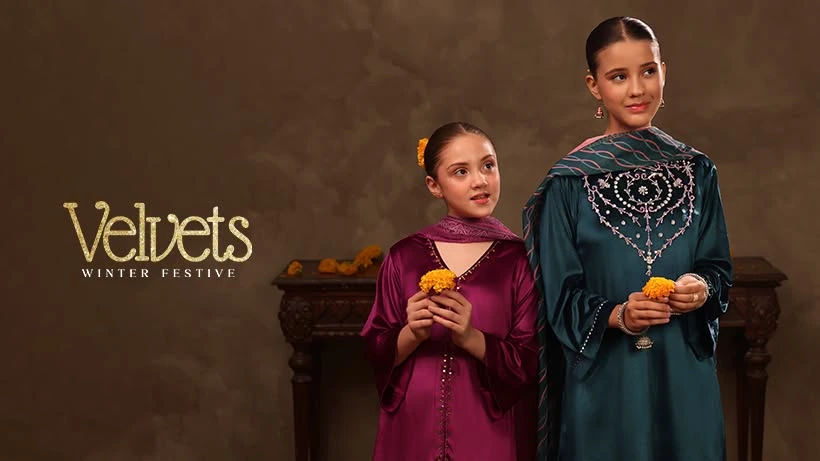
Chiffon is particularly attractive for festive outfits because it creates a soft, flowing appearance. Whether someone prefers a simple dress, a heavily embroidered formal outfit, or a modern traditional design, this fabric can complement different fashion preferences. Its delicate texture also makes it suitable for layering, decorative details, and beautiful dupatta designs.
However, choosing chiffon requires some consideration. Not every type of chiffon offers the same quality, transparency, or comfort. The right fabric, stitching technique, lining, and embellishments can make a significant difference in the finished outfit.
So, can chiffon be used for Eid clothing? Absolutely. With thoughtful fabric selection and suitable tailoring, chiffon can create stunning outfits for Eid celebrations.
Why Is Chiffon a Popular Choice for Eid Dresses?
Chiffon has remained popular in traditional and contemporary fashion for many years. Its lightweight structure and slightly transparent appearance make it suitable for creating elegant festive clothing.
Unlike heavier fabrics, chiffon moves naturally with the body. This movement gives dresses a graceful appearance, particularly when the outfit includes long sleeves, flowing skirts, or layered dupattas.
There are several reasons why people choose chiffon for festive occasions.
Lightweight and Comfortable
One of the biggest advantages of chiffon is its lightweight construction. It does not feel as heavy as velvet, thick brocade, or heavily decorated silk.
This quality makes it especially useful during Eid celebrations when people may spend several hours visiting relatives, attending gatherings, or enjoying meals with friends.
A lightweight chiffon outfit can provide a comfortable wearing experience when designed with suitable lining.
Elegant and Flowing Appearance
Chiffon creates a soft drape that adds movement to traditional clothing. It falls naturally around the body and can make even a relatively simple design look sophisticated.
This quality works particularly well with long shirts, maxi dresses, frocks, and Anarkali-inspired outfits.
The flowing appearance also makes chiffon suitable for formal Eid clothing where elegance is more important than excessive decoration.
Suitable for Different Fashion Styles
Chiffon is a versatile material that can be used in traditional, modern, and fusion outfits.
For example, designers can use it for:
-
Traditional long shirts with straight trousers.
-
Flowing maxi dresses.
-
Anarkali-style frocks.
-
Layered festive outfits.
-
Contemporary gharara and sharara combinations.
-
Lightweight dupattas.
-
Embroidered formal dresses.
Its flexibility allows designers to experiment with different silhouettes without making the outfit unnecessarily heavy.
Which Types of Chiffon Are Suitable for Eid Clothing?
Not all chiffon fabrics have the same appearance or quality. Some varieties are soft and delicate, while others have a slightly firmer structure.
Understanding these differences can help when selecting fabric for an Eid outfit.
Georgette Chiffon
Georgette is often associated with chiffon because both fabrics have lightweight qualities and flowing appearances.
However, georgette generally has a slightly grainier texture and more body than traditional chiffon.
It works well for outfits that require movement without appearing excessively delicate.
Georgette can be a suitable option for:
-
Flared shirts.
-
Layered dresses.
-
Long frocks.
-
Decorative sleeves.
-
Festive dupattas.
It is especially useful when eid design dress wants a flowing outfit with a little more structure.
Silk Chiffon
Silk chiffon is known for its luxurious appearance and soft texture.
It offers a delicate finish that can make festive clothing look refined. Its natural silk fibres also provide a different feel compared with synthetic chiffon.
However, silk chiffon usually requires careful handling and may need professional cleaning.
It is a beautiful choice for premium formal clothing, especially when combined with subtle embroidery or delicate embellishments.
Polyester Chiffon
Polyester chiffon is widely available and often more affordable than silk chiffon.
It can provide a similar lightweight appearance while being easier to maintain in many everyday situations.
Its practical qualities make it suitable for people who want attractive festive clothing without spending too much on expensive fabric.
However, quality varies between manufacturers. It is important to check softness, transparency, and fabric finishing before purchasing.
Printed Chiffon
Printed chiffon is another attractive option for Eid.
Floral patterns, geometric designs, traditional motifs, and delicate abstract prints can give an outfit an interesting appearance without requiring extensive embroidery.
Printed fabric is particularly suitable for daytime celebrations and semi-formal gatherings.
A simple design with attractive colours can look beautiful when paired with matching trousers and a coordinated dupatta.
What Eid Dress Designs Look Beautiful in Chiffon?
One of the greatest advantages of chiffon is its ability to work with different dress silhouettes.
The fabric can create both understated and elaborate outfits depending on the design.
Long Chiffon Shirts
Long shirts are a classic choice for traditional Eid clothing.
A chiffon shirt can be designed with straight trousers, cigarette pants, or wide-leg bottoms. The flowing fabric creates an elegant silhouette without requiring a complicated cut.
For a festive appearance, designers can add embroidery around the neckline, sleeves, and hemline.
Small decorative details often look more balanced than excessive embellishment on delicate chiffon.
Chiffon Maxi Dressesses are suitable for people who prefer a graceful and dramatic outfit.
Chiffon works particularly well for this design because its flowing structure creates natural movement.
A maxi dress can include a fitted upper section, a flared lower portion, and decorative sleeves.
Soft pastel colours can create a delicate appearance, while deeper shades offer a more traditional formal look.
Anarkali-Style Dresses
Anarkali dresses are known for their fitted bodices and flared skirts.
Chiffon can enhance this traditional design by adding movement and softness.
The fabric can be layered to create additional volume without making the entire dress excessively heavy.
Decorative borders, embroidered panels, and matching trousers can complete the outfit.
A chiffon dupatta can transform a simple traditional outfit into something more festive.
Its lightweight construction makes it easy to drape over the shoulders or arrange around the arms.
A dupatta with embroidered borders, small motifs, or delicate sequins can complement both plain and heavily decorated dresses.
How to Choose the Right Chiffon for an Eid Outfit
Selecting suitable chiffon is just as important as choosing the dress design.
A beautiful outfit begins with fabric that matches the intended style, comfort requirements, and budget.
Check the Fabric Quality
Always examine the material before purchasing it.
Good-quality chiffon should feel reasonably soft and have a consistent texture. The fabric should not contain visible defects, uneven weaving, or damaged areas.
If possible, hold it against the light to understand its transparency.
This is important because some chiffon varieties require more substantial lining than others.
Consider Transparency
Chiffon is naturally lightweight and often transparent.
Therefore, most dresses require an appropriate lining to provide coverage.
The lining should match the outfit's colour and design. A contrasting lining can also create an interesting visual effect when used intentionally.
For a more formal appearance, choose a lining that feels comfortable and does not make the dress unnecessarily stiff.
Choose Colours Carefully
Colour selection can influence the entire appearance of festive clothing.
Some popular choices include:
-
Pastel pink for a soft and feminine appearance.
-
Mint green for a fresh festive look.
-
Lavender for a delicate and elegant style.
-
Navy blue for a sophisticated outfit.
-
Emerald green for a rich traditional appearance.
-
Champagne and beige for understated elegance.
-
Maroon for a classic formal look.
The best colour depends on personal preference, the event, and the overall outfit design.
Match Fabric Weight With the Design
A very lightweight chiffon may not provide enough structure for certain dress designs.
For example, a heavily flared outfit may require additional layers or a slightly firmer fabric.
Meanwhile, a simple flowing shirt may look beautiful in softer chiffon.
Discuss the intended design with the tailor before purchasing the material.
Can Chiffon Be Used for Heavily Embroidered Eid Dresses?
Yes. Chiffon can be decorated with different embroidery techniques to create beautiful formal outfits.
However, because the fabric is delicate, embellishment should be planned carefully.
Thread Embroidery
Thread embroidery can add traditional detail without making the outfit excessively heavy.
Floral patterns, decorative borders, and traditional motifs are popular choices.
Embroidery around the neckline and sleeves can create an elegant appearance while keeping the rest of the dress relatively simple.
Sequin Work
Sequins can give chiffon a festive appearance, especially for evening celebrations.
Small sequins arranged in floral patterns or scattered across the fabric can produce a subtle shine.
However, excessive sequin work may affect the fabric's natural movement.
A balanced design usually creates a more refined result.
Zari and Metallic Embellishments
Metallic embroidery can add a luxurious touch to traditional clothing.
Gold and silver detailing works particularly well with darker shades, including emerald green, navy blue, black, and maroon.
Designers should use suitable stitching methods to prevent the delicate material from becoming damaged.
Lace and Border Work
Decorative lace is another effective way to enhance chiffon.
It can be attached to the sleeves, neckline, dupatta, and hemline.
A carefully selected border gives the outfit a finished appearance without requiring heavy embroidery throughout the dress.
Is Chiffon Comfortable for Eid Celebrations?
Comfort is an important consideration when choosing festive clothing.
Eid celebrations often involve long family gatherings, visiting relatives, travelling, and spending time outdoors.
Chiffon can be comfortable because it is lightweight and allows the dress to move naturally.
However, comfort depends on several factors.
Consider the Weather
In warmer conditions, lightweight chiffon can be a practical choice.
Its airy appearance and relatively light construction make it suitable for many spring and summer outfits.
However, the fabric itself does not guarantee that the dress will feel cool.
Thick lining, multiple layers, and heavy embroidery can increase warmth.
For warmer weather, consider breathable lining materials and less complicated designs.
Choose Comfortable Stitching
Even beautiful fabric can feel uncomfortable when the outfit is poorly tailored.
Tight sleeves, restrictive armholes, and unsuitable necklines can make it difficult to move.
A well-fitted dress should allow comfortable movement while maintaining the intended silhouette.
Ask the tailor to leave enough room around areas that require flexibility.
Pay Attention to the Lining
The lining plays a major role in the comfort of chiffon clothing.
Cotton and other breathable lining fabrics can help improve the wearing experience.
Avoid unnecessarily thick materials, especially when the outfit already includes several chiffon layers.
How to Style a Chiffon Eid Dress
Styling can make a significant difference to the final appearance of festive clothing.
The right accessories, footwear, and hairstyle can complement chiffon without distracting from its natural elegance.
Choose Appropriate Jewellery
Chiffon outfits can work with both delicate and statement jewellery.
For a simple dress, traditional earrings or a decorative necklace can add interest.
For heavily embroidered clothing, smaller accessories may create a more balanced appearance.
Gold jewellery generally complements warm colours, while silver accessories often work well with cool shades.
Select Matching Footwear
Footwear should complement the outfit's overall design.
Traditional khussas, embellished sandals, and comfortable heels are suitable options.
For long celebrations, choose footwear that provides enough support.
The dress length should also be considered so that the fabric does not drag along the floor.
Style the Dupatta Properly
A chiffon dupatta can be arranged in several ways.
It can be draped over one shoulder, placed around both shoulders, or styled across the arms.
For embroidered outfits, allowing the decorative border to remain visible can enhance the overall appearance.
Avoid excessive pins that may damage the delicate material.
Keep Makeup and Hairstyles Balanced
A soft makeup look can complement pastel chiffon outfits.
For darker formal dresses, slightly more defined makeup can create an attractive evening appearance.
Hairstyles such as loose waves, low buns, and traditional updos can work well with flowing festive clothing.
The goal is to create a coordinated appearance without making the overall look unnecessarily complicated.
Common Mistakes to Avoid When Buying Chiffon
Although chiffon offers many styling opportunities, a few mistakes can affect the quality and appearance of the finished outfit.
Choosing Fabric Without Checking Its Transparency
Some buyers select chiffon based only on its colour or appearance.
However, transparency can become a problem after stitching.
Always check whether the fabric needs lining and consider the additional cost before making a purchase.
Using Too Much Heavy Embroidery
Chiffon is delicate, so excessive decoration may affect its structure.
Heavy embroidery can pull on the material and reduce its natural movement.
Choose embellishments that suit the fabric's strength.
Ignoring Stitching Quality
Chiffon requires careful cutting and stitching.
Poor finishing can result in uneven seams, loose threads, and damaged fabric.
Choose an experienced tailor who understands how to work with delicate materials.
Selecting an Uncomfortable Design
A dress may look attractive in photographs but feel uncomfortable when worn.
Consider sleeve length, neckline, lining, dress length, and overall fit before finalising the design.
Practical comfort should remain part of the decision.
How to Maintain and Care for Chiffon Eid Dresses
Chiffon clothing requires careful maintenance to preserve its appearance.
Proper care can help prevent unnecessary damage and extend the life of the outfit.
Follow Washing Instructions
Always check the fabric's care label before washing.
Some chiffon garments can be gently hand-washed, while others require professional dry cleaning.
Avoid aggressive washing methods, as they can damage delicate fibres and decorative details.
Store the Dress Carefully
Store chiffon dresses in a clean, dry wardrobe.
Use a suitable hanger for structured outfits and avoid overcrowding the wardrobe.
If the garment includes heavy embroidery, careful folding with soft protective tissue may help prevent unnecessary pulling around decorative areas.
Avoid Excessive Heat
High temperatures can damage delicate fabrics.
When ironing is permitted, use a low-temperature setting and place a protective cloth between the iron and the material.
Steaming may be another suitable option, depending on the fabric composition and care instructions.
Protect Decorative Details
Embroidery, sequins, lace, and metallic embellishments require additional attention.
Avoid pulling loose threads or decorative elements.
If a small section becomes damaged, professional repair can prevent the problem from spreading.
Is Chiffon Better Than Other Fabrics for Eid?
Chiffon is an excellent option, but it is not necessarily the best choice for every person or design.
Different fabrics offer different advantages.
|
Fabric |
Main advantage |
Suitable style |
|---|---|---|
|
Chiffon |
Lightweight and flowing |
Formal dresses and dupattas |
|
Lawn |
Breathable and practical |
Daytime festive outfits |
|
Organza |
Structured and elegant |
Layered formal dresses |
|
Silk |
Luxurious texture |
Premium festive clothing |
|
Velvet |
Rich and warm |
Winter celebrations |
|
Georgette |
Flowing with more body |
Frocks and long shirts |
The right choice depends on the season, personal comfort, design, and budget.
For example, chiffon is an attractive option for flowing formal clothing, while lawn may be more practical for simple daytime outfits in hot weather.
Organza is useful when a dress needs additional structure, and velvet is often preferred for colder celebrations.
Instead of choosing a fabric simply because it is fashionable, consider how well it supports the intended design.
Conclusion
Chiffon is an excellent fabric choice for Eid clothing because it combines lightweight comfort, graceful movement, and timeless elegance. Its versatility makes it suitable for traditional outfits, contemporary dresses, long shirts, Anarkali designs, maxi dresses, and beautifully decorated dupattas.
A carefully designed eid design dress made with chiffon can look sophisticated without requiring excessive embellishment. The fabric's natural drape creates an attractive appearance, while embroidery, lace, sequins, and decorative borders provide opportunities to personalise the outfit.
However, selecting the right chiffon is essential. Fabric quality, transparency, lining, stitching, and overall design should all be considered before purchasing the material. These details influence how comfortable the outfit feels and how well it maintains its appearance throughout the celebrations.
It is also important to match the fabric with the season and occasion. Lightweight chiffon with breathable lining can be suitable for warmer Eid celebrations, while layered chiffon and embroidered designs can create more elaborate outfits for formal gatherings.
Proper maintenance is equally important. Gentle cleaning, careful storage, and suitable ironing techniques can help preserve the fabric's delicate texture and decorative details.
Ultimately, chiffon offers an excellent balance between beauty and practicality when used thoughtfully. Whether someone prefers a simple pastel dress or an elaborate traditional outfit, this fabric provides plenty of opportunities to create an elegant festive appearance. With the right design, comfortable tailoring, and suitable accessories, a chiffon Eid outfit can become a beautiful addition to any festive wardrobe.